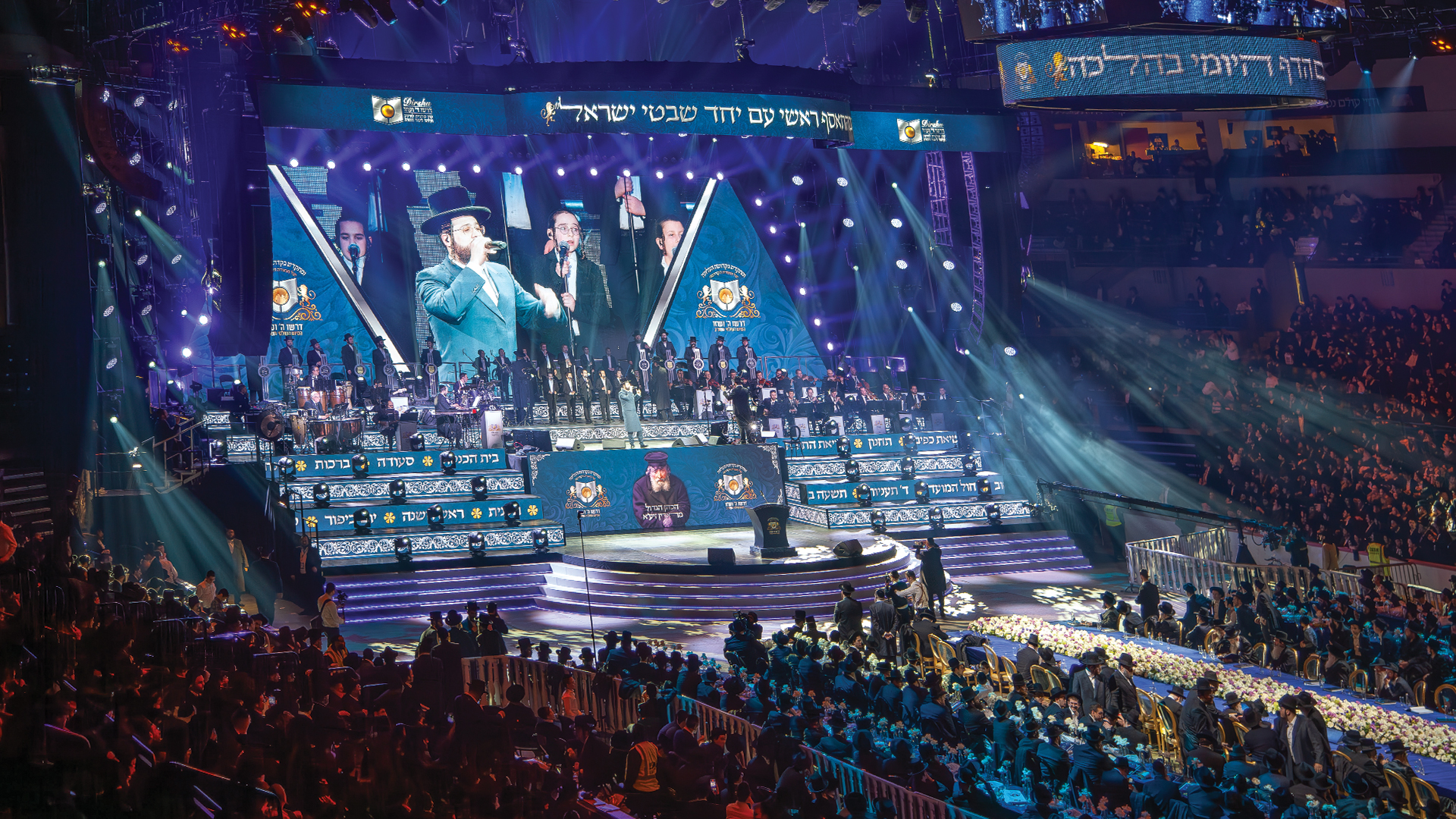
Professional lighting control surfaces represent the pinnacle of human-machine interface design in live entertainment. These consoles translate operator intentions into precise DMX instructions that command thousands of fixtures simultaneously. At least, that’s how the marketing materials describe them. Reality involves considerably more negotiation between operator will and console opinion.
The Evolution of Electronic Rebellion
Early theatrical lighting consoles from the 1970s operated through direct electrical control—faders physically adjusted resistance in dimmer circuits. When you pushed a fader up, current flowed. The relationship between operator action and lighting result remained mechanically absolute. Then computers arrived to mediate this relationship, introducing interpretation layers where rebellion could develop.
The ETC Expression series consoles that dominated American theaters through the 1990s established programming paradigms still influential today. These consoles introduced submaster pages, inhibitive mastering, and pile-on functions that occasionally combined in unexpected ways. Operators learned to approach complex cue sequences with defensive programming strategies.
The grandMA Universe
MA Lighting’s grandMA platform dominates contemporary concert and festival production with capabilities that border on bewildering. The grandMA3 full-size console offers over two hundred thousand parameters of control, sophisticated tracking systems, and a programming philosophy that assumes operators want computer assistance with complex calculations. This assistance sometimes extends to decisions operators prefer to make themselves.
The tracking backup system in grandMA consoles maintains continuous synchronization between networked units. Occasionally, this tracking introduces its own complications. A backup console might capture a partially-edited cue and promote it to primary status during a network hiccup. The programmer discovers this when the show starts and cue fifteen contains the incomplete revision from yesterday’s soundcheck.
Macro Mischief
The macro programming capabilities in modern consoles allow creation of automated sequences that execute multiple commands from single triggers. Touring lighting designers develop macro libraries that accelerate programming across multiple venues. These macros occasionally interact in unintended combinations, producing results that make perfect logical sense to the console but surprise operators who didn’t anticipate the intersection.
The ETC Eos Ecosystem
ETC’s Eos family represents an alternative programming philosophy that emphasizes syntactical clarity over parameter density. The Eos Ti console provides theatrical productions with tracking systems inherited from decades of ETC innovation. This inheritance includes programming conventions that newer operators sometimes misunderstand.
The blocking/tracking distinction that defines Eos programming creates power and peril in equal measure. A blocked cue prevents tracked values from propagating forward. Applied incorrectly, blocks create mysterious discontinuities where lights inexplicably revert to previous states because an overlooked block interrupted the tracking chain.
Avolites Adventures
The Avolites Titan platform brings British engineering sensibilities to lighting control. The Sapphire Touch and Arena console surfaces offer distinctive layouts that experienced Avo programmers navigate instinctively while newcomers search for functions that seem to hide in illogical locations.
Titan’s shape generator engine produces mesmerizing movement effects with mathematical precision. This precision occasionally creates patterns that look stunning in isolation but conflict with adjacent cues in ways that require careful layering management.
The Phantom Fader Problem
Physical motorized faders provide tactile feedback that operators rely upon for real-time mixing. These faders occasionally develop mechanical issues causing drift from programmed positions. The High End Systems Hog 4 consoles use advanced fader mechanisms designed for touring durability, yet road conditions inevitably affect precision.
Network Negotiations
Contemporary lighting systems operate across Art-Net and sACN networks that distribute control data to nodes throughout venues. These networks introduce latency, packet loss, and priority conflicts that create behavior no console directly commands.
A network switch with multicast storm issues might intermittently drop packets containing position data while reliably delivering intensity information. Fixtures hold their previous positions while smoothly fading to new intensity values, creating movements that weren’t programmed but emerge from network infrastructure behaving unpredictably.
Software Updates and Surprises
Console manufacturers continuously improve their platforms through software updates that add features, fix bugs, and occasionally change behaviors that operators had learned to exploit. A grandMA2 showfile imported into grandMA3 might interpret certain effect parameters differently.
The transition between software versions requires careful testing that production schedules often cannot accommodate. A programmer might update console software the night before a show, trusting that manufacturer release notes cover all behavioral changes. The release notes describe new features extensively while mentioning subtle parameter handling modifications in footnotes that nobody reads until troubleshooting requires it.
The Timecode Trap
Shows synchronized to SMPTE timecode or MIDI time code add another layer where console and external systems must negotiate agreement. The console might receive timecode that jitters slightly due to transmission issues, triggering cues at microsecond variations from expected timing. These variations accumulate through long cue sequences.
Learning to Lead the Partnership
Expert lighting programmers develop intuition for console behavior that transcends manual reading. They learn which combinations of commands produce reliable results and which invite unpredictable interpretation. They build showfiles with redundancies that prevent single-point failures from cascading through entire productions.
The most effective operators treat their consoles as partners rather than subordinates. They understand that these sophisticated machines process instructions through complex logic that occasionally produces emergent behaviors. A lighting console doesn’t rebel maliciously—it follows programming with perfect consistency that sometimes reveals programmer assumptions that didn’t match reality.
When the console seems to rebel, the fault usually lies in expectations rather than execution. The machine did exactly what it was told; the telling simply contained implications that only became apparent during performance. Learning to speak the console’s language precisely transforms perceived rebellion into predictable partnership.
