When Structural Integrity Becomes Questionable
The Warning Signs Above
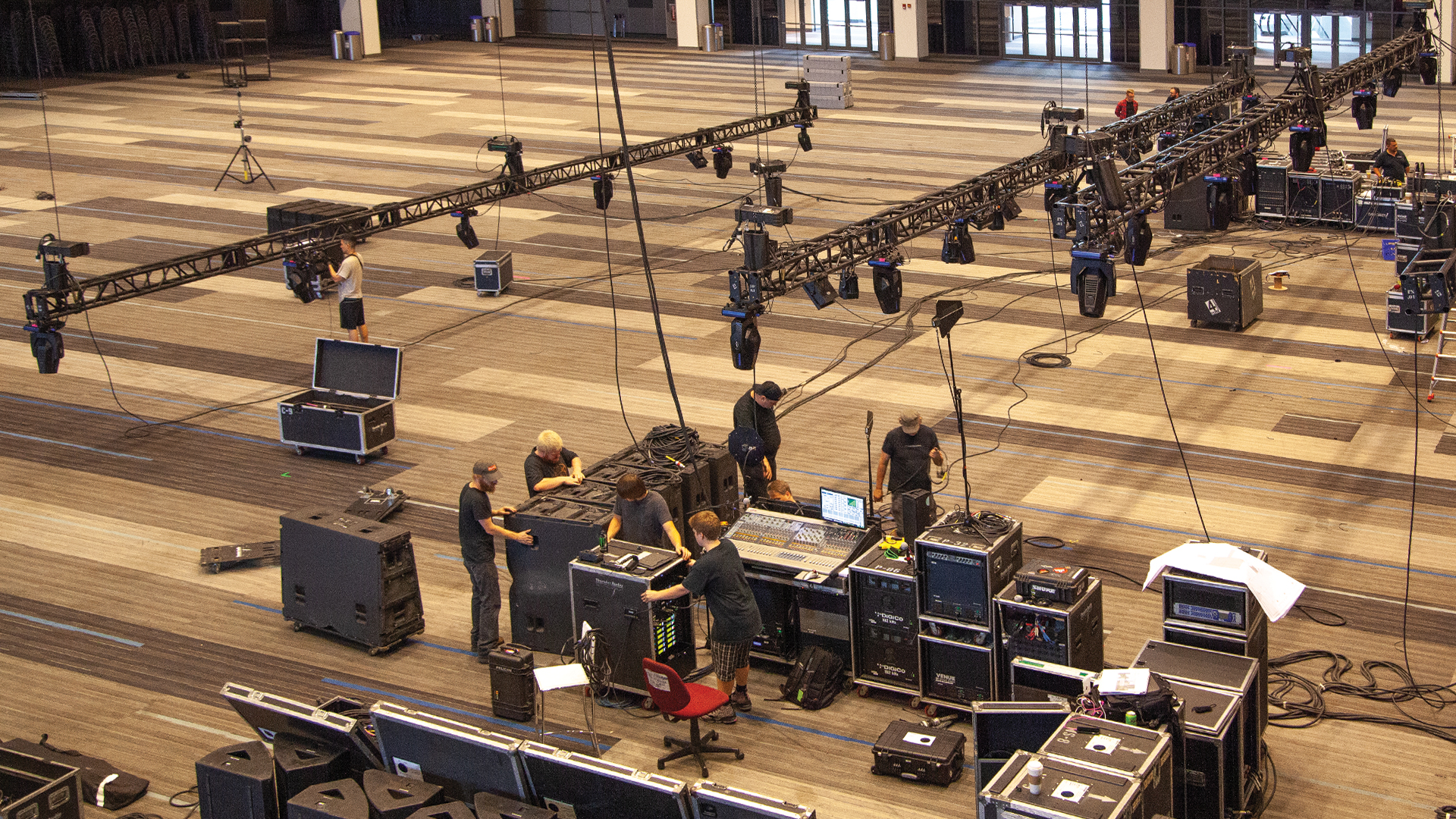
The head rigger noticed the subtle bow first—a deflection in the main lighting truss that shouldn’t have been there. The Tyler GT truss had been loaded identically for fifty shows across the tour, but something was different tonight. The chain hoists supporting the grid showed uneven load readings, with point three carrying significantly more weight than its neighbors. The decision to stop the show and lower the rig for inspection wasn’t popular with management, but it potentially prevented the catastrophe that structural analysis later confirmed was approaching.
Understanding Structural Failure Modes
Aluminum box truss fails through several distinct mechanisms, each with characteristic warning signs. Yielding occurs when applied stress exceeds the material’s elastic limit, producing permanent deformation visible as bending or twisting. Buckling—sudden lateral failure of compression members—can happen with little visible warning when critical load thresholds are exceeded. Connection failure at corner blocks and coupling points progresses through visible loosening before catastrophic separation.
The fatigue that develops from repeated loading and unloading creates microscopic cracks that grow with each stress cycle. Touring truss experiences thousands of these cycles over its service life—each load-in, show, and load-out contributing to cumulative damage invisible until cracks reach critical size. The aluminum alloy 6061-T6 used in most entertainment truss has excellent fatigue resistance, but no material lasts forever under cyclic stress.
Historical Structural Failures
The entertainment industry’s structural safety standards emerged from tragedies that killed workers and audiences. The 2011 Indiana State Fair collapse remains the defining incident, demonstrating how wind loads on temporary structures can exceed design limits with catastrophic results. Earlier arena ceiling collapses during rigging operations—though less publicly visible—had already prompted development of the ESTA rigging standards that now govern professional practice.
The 2012 Radiohead stage collapse in Toronto killed drum technician Scott Johnson and injured three others, focusing attention on roof system engineering for touring productions. Subsequent investigation revealed design and construction failures that had escaped detection during prior shows. The incident emphasized that structural integrity requires verification at each setup—not assumption based on previous successful use.
Inspection and Monitoring Requirements
The ANSI E1.2 standard for entertainment truss specifies inspection requirements that responsible productions follow rigorously. Visual inspection before each use should identify obvious damage, loose hardware, and wear at connection points. Annual certification by qualified inspectors—typically personnel with ETCP rigging certification—provides documented verification of structural adequacy.
Modern load monitoring systems provide real-time verification of structural performance. The Broadweigh wireless load cells that mount between chain hooks and truss points report actual loads through wireless networks to monitoring software. The Kinesys and Movecat automation systems incorporate load monitoring as integral functions, providing continuous verification during motorized rigging operations.
Environmental Stress Factors
Outdoor installations expose truss to environmental stresses absent from indoor venues. Temperature cycling causes thermal expansion and contraction that stresses connections. UV exposure degrades certain structural components, particularly synthetic slings and plastic hardware. Rain accumulation on soft goods attached to truss can add unexpected loads that exceed design margins.
Wind loading represents the most significant outdoor structural challenge. The ASCE 7 standards that govern structural wind design calculate forces based on sustained speeds, but gusts can exceed sustained values by 30% or more. A roof system rated for 45 mph sustained winds may experience damaging forces from 35 mph sustained with 50 mph gusts—conditions that weather forecasts often fail to communicate clearly.
Decision Frameworks for Structural Concerns
When structural concerns arise, production managers face decisions that balance safety against commercial pressure. The conservative approach—stopping shows, lowering rigs, bringing in structural engineers—costs money and damages relationships with artists and promoters. The aggressive approach—continuing operations despite warning signs—risks catastrophic outcomes that end careers and take lives.
The Event Safety Alliance framework places structural safety decisions with designated safety officers whose authority cannot be overridden by commercial interests. This separation of safety from business decisions enables faster, more conservative responses when structural integrity becomes questionable. The production that implements this structure before incidents occur operates more safely than those that improvise authority during crises.
Professional Resources and Verification
Accessing professional structural engineering resources during tours requires advance planning. Identifying licensed engineers in each market who can respond quickly when structural questions arise enables verification before problems become emergencies. Some touring productions maintain retainer relationships with engineering consultants who remain available for telephone consultation during shows.
The certified riggers who install and inspect touring structures represent the first line of defense against structural failures. Their ETCP certification verifies competency in recognizing warning signs and making appropriate decisions. Productions that employ certified riggers—rather than relying on local labor without verification—invest in the expertise that prevents structural failures from threatening lives.
