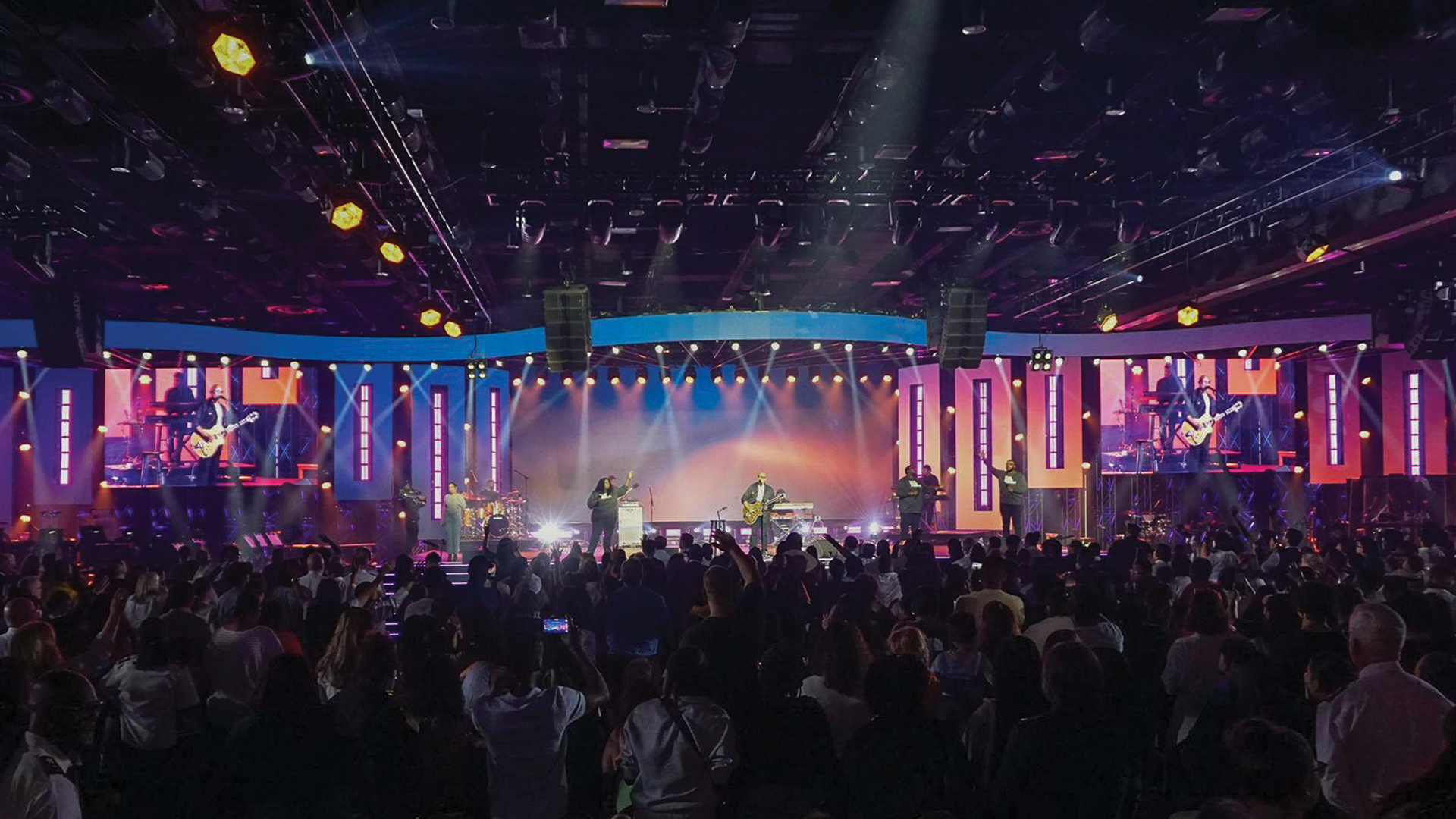
The allure of massive outdoor LED walls at festivals, corporate gatherings, and public celebrations has never been stronger. That brilliant screen visible from hundreds of feet away creates undeniable impact—but the technical requirements for achieving reliable outdoor performance differ dramatically from anything encountered inside a convention center or ballroom.
Understanding Brightness Requirements
Indoor LED walls typically operate between 800 and 1,500 nits of brightness. Outdoor installations exposed to direct sunlight need a minimum of 5,000 nits, with many production companies specifying 7,000 to 10,000 nits for daytime visibility. Products like the ROE Visual Carbon CB5 and Absen PL Series have become industry workhorses for outdoor touring applications.
The physics of competing with sunlight cannot be overstated. The sun delivers approximately 100,000 lux of illumination on a clear day. Without adequate brightness, outdoor LED content appears washed out and unreadable, wasting significant investment in equipment and installation labor.
Ingress Protection Ratings Explained
Every outdoor LED panel carries an IP (Ingress Protection) rating indicating its resistance to dust and water. The two-digit code reveals critical information:
- The first digit (0-6) rates dust protection, with 6 being completely dust-tight
- The second digit (0-9) rates water protection, with higher numbers indicating resistance to more intense water exposure
For outdoor event production, IP65 represents the minimum acceptable rating—dust-tight with protection against water jets from any direction. Premium outdoor panels like the Unilumin UpadIII achieve IP65 front and IP54 rear, while the Leyard TWA Series offers fully sealed designs rated IP66.
Structural Engineering and Wind Load
Outdoor LED walls transform into massive sails when wind arrives. A 20-foot by 12-foot LED wall presents 240 square feet of surface area to wind forces. OSHA regulations and ANSI E1.21 standards require structural calculations accounting for maximum expected wind speeds at the installation location.
Ground-supported structures from LAYHER and James Thomas Engineering provide engineered solutions with documented load capacities. The ballast requirements for freestanding outdoor walls often surprise first-time installers—a 16-foot wide screen may need 8,000 pounds or more of counterweight depending on height and local wind conditions.
Historical Lessons in Outdoor Display
The outdoor display industry carries sobering memories from incidents that shaped current safety standards. The 1988 Monsters of Rock festival and subsequent events drove the development of comprehensive rigging safety protocols. Modern outdoor LED installations benefit from decades of accumulated knowledge about wind behavior, structural failure modes, and emergency response procedures.
Power Infrastructure Planning
Outdoor LED walls consume substantial power—a 20×12-foot high-brightness wall may draw 75 to 120 amps at 208V three-phase during full white output. Power distribution must account for:
- Generator capacity with 20% headroom above calculated load
- Cable runs rated for outdoor use and properly protected from foot traffic
- Ground fault protection mandatory for outdoor electrical installations
- Backup power systems for critical applications where screen failure would impact safety
Companies like Motion Labs and Lex Products manufacture outdoor-rated power distribution equipment specifically designed for entertainment applications. Their IP65-rated distros and spider boxes allow safe power connections in challenging weather conditions.
Climate and Environmental Factors
Temperature extremes test LED reliability. Most outdoor panels specify operating ranges between -4°F and 122°F (-20°C to 50°C), but pushing these limits accelerates component wear. In extreme cold, panels may need pre-heating before reaching full brightness. In extreme heat, thermal throttling may reduce output automatically.
Salt air in coastal locations, sand at desert events, and pollution in urban environments all affect panel longevity. Conformal coatings on circuit boards provide additional protection, a feature worth specifying when renting equipment destined for harsh environments.
Signal and Data Considerations
Long cable runs between video processors and outdoor LED walls introduce signal degradation challenges. Fiber optic transmission using Luminex or Lightware equipment solves distance problems while providing immunity to electrical interference—a significant concern near high-power sound systems and RF transmitters common at outdoor events.
The Brompton Tessera SX40 processor has become the de facto standard for premium outdoor installations, offering HDR processing, dynamic brightness control, and extended bit depth that preserves shadow detail in high-brightness environments.
Permitting and Regulatory Compliance
Outdoor LED installations often require permits addressing multiple concerns: structural safety certificates, electrical inspection approvals, noise ordinances (generator sound), light pollution regulations, and sometimes FAA notification for installations near airports or exceeding certain heights.
The International Sign Association and local fire marshals have specific requirements that vary by jurisdiction. Experienced production companies build permit timelines into project schedules, recognizing that approval processes may take weeks in some municipalities.
Content Optimization for Outdoor Display
Content created for indoor viewing rarely translates directly to outdoor presentation. High contrast ratios, bold typography, and simplified graphics become essential when competing with environmental light. Software like After Effects and Notch allow designers to preview content at simulated outdoor brightness levels before deployment.
Motion graphics benefit from reduced detail and increased size. Text that reads perfectly at 6-foot viewing distance indoors may become illegible from 100 feet away outdoors. Production teams should test content on actual panels at planned viewing distances before the event whenever possible.
Insurance and Liability
Outdoor installations carry elevated risk profiles affecting insurance requirements. Certificate of Insurance (COI) requirements typically specify higher liability limits than indoor events. Production companies should verify coverage specifically addresses outdoor LED operations and includes provisions for weather-related incidents.
Understanding these requirements before committing to an outdoor LED installation prevents costly surprises and ensures the spectacular visual impact matches appropriate professional preparation.
